
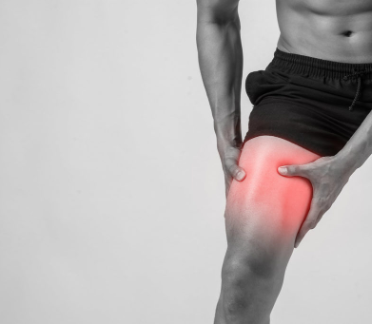
Delayed Onset Muscle Soreness—commonly known as DOMS—is the sore, aching, and sometimes painful feeling you experience in your muscles after exercise. It most commonly occurs following unfamiliar or unaccustomed, high-intensity exercise, especially when movements involve slow, controlled muscle lengthening (eccentric contractions).
DOMS is a normal and temporary response to exercise and is a common part of the training and adaptation process.
Why Does DOMS Occur?
DOMS is believed to result from microscopic damage to muscle fibres caused by exercise. This damage is not harmful—it’s a natural part of how muscles adapt and become stronger.
After exercise:
- The body initiates an inflammatory response
- Muscle fibres are repaired and rebuilt
- The muscle adapts to better tolerate future loads
This process ultimately leads to stronger and more resilient muscles.
DOMS is different from the immediate burning sensation you may feel during exercise, which is related to metabolic by-products and fatigue. Instead, DOMS typically:
- Begins 12–24 hours after exercise
- Peaks around 24–48 hours
- Resolves within 24–72 hours (sometimes longer after very intense or novel training)
Is DOMS a Good Thing?
In most cases, yes.
DOMS generally indicates that your muscles were challenged in a way they weren’t fully adapted to yet. This stimulus encourages the body to rebuild muscle stronger than before.
It is important to remember, though, that experiencing less DOMS over time doesn’t mean your workouts are less effective; it usually means your muscles are adapting and becoming more efficient. DOMS is not a requirement for progress, but it can be a normal part of training—especially when starting something new.
How Should You Manage DOMS?
Although DOMS is not harmful and usually settles on its own, it can feel uncomfortable and temporarily reduce performance.
Research suggests that regular use of non-steroidal anti-inflammatory drugs (NSAIDs) to manage DOMS may interfere with muscle adaptation and potentially reduce strength gains. Therefore, they should be used cautiously and not as a routine recovery strategy.
The following evidence-based strategies have been shown to help manage DOMS:
- Heat and cold therapy (heat pack, hot bath, cold pack)
- Massage
- Active recovery with appropriate rest (eg. low-intensity exercise, gentle stretching, foam rolling)
- Adequate sleep
- Staying well hydrated
Active recovery helps promote blood flow without adding excessive load, supporting the healing process while maintaining movement.
By Makenna Schuttenbeld
 reddeer